The 21st century is often cited as the information era. The access to information is now ubiquitous. You can pretty much access any information that you want from any corner of the world in matter of seconds, and in other words, as Naval says, we are in the Age of Alexandria.
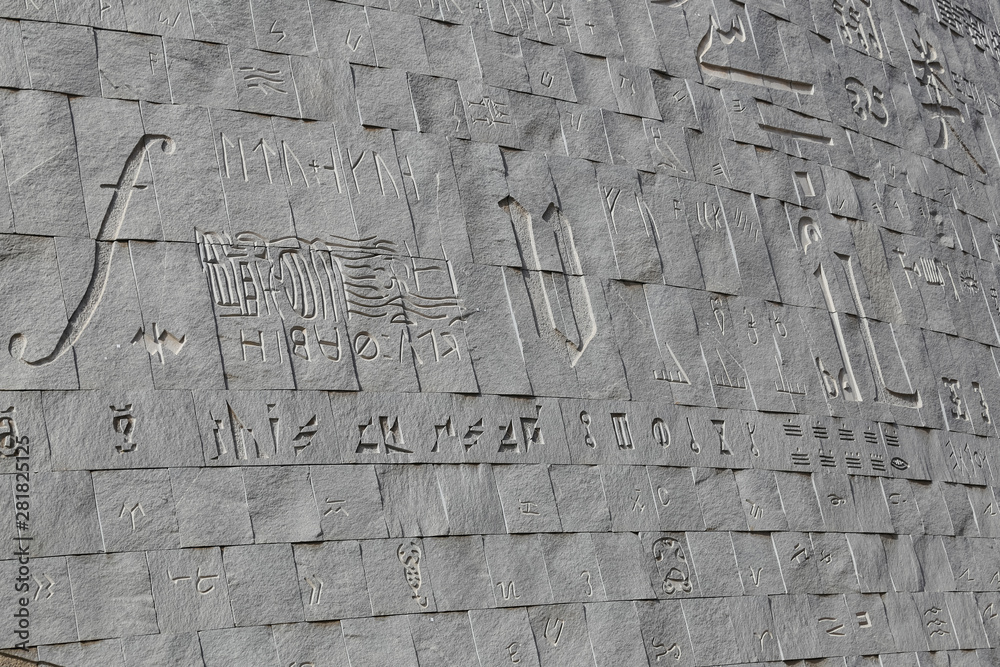
This comes with (as it is with any other idea or phenomenon on Earth) both pros and cons. You all must be well aware of the pros (and a lot of cons too), but today I would like to emphasize on the latter and give you a different PoV.
The volume of information that we generate and process each day has grown exponentially over the last few decades.
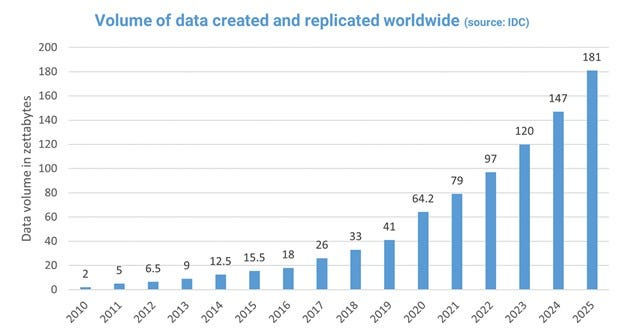
This leads to a natural problem that we as a species have to face: we haven’t evolved enough to process such a vast amount of information (much of it random) on a regular basis.
Thus, we feel consumed by the information world and overwhelmed. Feelings and emotions like anxiety, paranoia, uneasiness ,and mental fog can be back-linked to this feeling of being overwhelmed due to information.
We often feel that we need to do something because of this anxiety, which leads to a natural evolutionary freeze response. This can, again, be linked to phenomena like procrastination, unproductivity, more consumption of the information that led you to this miserable state (yes!).
So, a natural question arises: how do we combat this?
There are several books and methods on the internet (lol) that claim to benefit a lot of people in tackling this, but the one that I came up with (or maybe some idea from a book that is stored in my subconscious, but consider novel) involves the following two methods. The latter is the novel one.
- Cold Turkey: Often referred to as digital detox or information detox over the internet, the idea of cold turkey precedes our era. Alcoholics from ancient Roman times might have used it to get rid of their drinking habits, Albert Einstein went cold turkey and never smoked a cigarette after being in the habit since his formative years due to his lung reports, Carl Jung went cold turkey on his other obligations for his work in a rock tower and retreated there whenever he wished to get some deep work done, and Bill Gates famously had think weeks where he went cold turkey for one or two weeks in a year where he would go to some remote location with loads of books, papers, and a pen to think about great ideas. The list continues.
The idea behind going cold turkey is pretty straight forward (especially in our current era). Big tech companies, media houses, and people at the top want to earn. A lot of these earnings come from the information sector. These people have real skin in the game and have real incentive to keep the vast majority of people engaged in worldly affairs. They get food for their family on the table because of this. Think instagram, youtube, reddit, media houses, and news floating around all over the internet. These services earn because of you. Their incentive is to keep you engaged and hooked as much as possible. They pay nerd people ( think mathematicians, psychologists, computer scientists) in hundreds of thousands dollars (and even millions) to have algorithms which make you, in short, addicted.
This is one of the core reasons of this “information overdose”. And the way out? Yes! Going cold turkey. You might think that you can control your urge of not using these apps if you wish but remember those people getting paid in thousands of dollars? they are not making free money!
The single most effective way is to go cold turkey. Delete all social media platforms (unless your job depends on it, lol), become hard to reach (for the unwanted information to reach you of course, although a general approach isn’t bad either), stop all unwanted sources of information (think TV news, gossip, and pseudoscience information) - Don’t Care
It’s often the case that we think that we are required to act on certain information; no you don’t. Think times like WW1, WW2, September 11 attacks, 2008 market crisis, Covid-19, AI boom, Elon Musk becoming a trillionaire, and Trump going insane. All these moments are pivotal. These are not ordinary moments. This is exactly what makes us think that we need to act to do something and get involved in this. This instinct is sometimes beneficial too (think buying Bitcoin early because your friend told you that its going to be a big thing or thinking to pursue computer science in the 1980s because you think that the future lies in this), but the thing with this instinct is that it often distracts us from our current focus and does not often yield into something really important.
The feeling is almost similar to FOMO on a very big thing, but you need to understand that you as of now might not have real skin in the game to actually benefit from whatever is fascinating you. This FOMO often leads to unfinished goals like academic goals , career aspirations , projects , and your self-esteem.
II am not telling you to go and sit under a rock but to understand that you need to have sufficient fundamental information based on which you need to decide how pivotal this new big thing is and how can you add value to your life without shifting your entire google calendar and abandoning all your current projects.
Note: the above tips are not for situations like a zombie apocalypse or an alien invasion. In these situations, yes your google calendar should not be your first priority but saving your soul 🙂
Best,
Atharva
9/9/2026
Leave a Reply